March 9, 2026
Hiring the right professional to work on your roof is one of the most important decisions you will make as a homeowner. Your roof protects your home from the elements, supports energy efficiency, and contributes to your property’s overall value. Yet many homeowners rush into choosing a roofer without fully understanding what to look for or what questions to ask. Taking a thoughtful, informed approach can help you avoid costly mistakes and ensure the work is done correctly the first time.
In today’s housing landscape, careful maintenance decisions matter more than ever. According to CoreLogic, the percentage of investor-owned homes peaked, reaching 28.7% of home ownership. With more properties owned by investors and landlords, quality roofing work has become even more essential to protect long-term property value. Whether you are maintaining your forever home or preparing a property for the market, choosing the right roofer plays a critical role in safeguarding your investment.
Understanding the hiring process, knowing what red flags to watch for, and reviewing contracts carefully can make the difference between a smooth project and a stressful experience.
How to Choose the Right Roofer
Finding a qualified roofer starts with doing a bit of homework. Not all contractors offer the same level of experience, professionalism, or reliability. Homeowners should begin by seeking out companies with a solid reputation in their community. Online reviews, word-of-mouth recommendations, and local references can provide valuable insight into a contractor’s track record.
Licensing and proper credentials are also essential. A professional roofer should meet all state and local requirements for operating legally. This demonstrates a baseline level of professionalism and accountability. While requirements vary by location, verifying credentials is always a smart first step.
Experience matters as well. Roofing systems vary widely depending on materials, climate, and home design. An experienced roofer will be familiar with different roofing types and will be able to recommend solutions that fit your home’s specific needs. Homeowners should also look for contractors who specialize in residential roofing rather than those who treat it as a side service.
Communication style is another often-overlooked factor. A reliable roofer should be responsive, clear, and willing to explain the scope of work in understandable terms. If a contractor is difficult to reach during the estimate phase, that may signal communication challenges later in the project.
Finally, obtain multiple estimates before making a decision. Comparing bids helps homeowners understand the typical price range and identify unusually high or suspiciously low proposals. The goal is not simply to find the cheapest roofer, but to find the best balance of value, quality, and reliability.
What Questions to Ask a Roofer
Once you have narrowed down your options, asking the right questions can help you separate true professionals from less qualified contractors. Homeowners should treat the consultation as an interview process.
Start by asking how long the roofer has been in business. Longevity often indicates stability and consistent customer satisfaction. While newer companies can still provide quality work, an established history offers added reassurance.
Next, ask about recent local projects. A reputable roofer should be able to provide references or examples of completed work in your area. Speaking with past clients can reveal valuable details about workmanship, cleanup practices, and overall professionalism.
Homeowners should also ask who will actually perform the work. Some companies rely heavily on subcontractors, which is not necessarily bad, but transparency is important. Knowing who will be on your roof helps you understand accountability and quality control.
Timeline questions are equally important. Ask when the project can start, how long it is expected to take, and what factors could cause delays. A trustworthy roofer will provide realistic expectations rather than overly optimistic promises.
Finally, discuss the payment structure. Be cautious of any contractor requesting full payment upfront. Most reputable professionals use a structured payment schedule tied to project milestones. Clear financial expectations help protect both the homeowner and the roofer throughout the process.
Understanding Roofing Contracts
A detailed written contract is one of the most important safeguards in any roofing project. Homeowners should never rely solely on verbal agreements, no matter how trustworthy a roofer may seem.
At a minimum, the contract should clearly outline the scope of work. This includes the materials being used, the areas of the roof being addressed, and any additional services such as ventilation improvements or decking repairs. Vague language can lead to misunderstandings and unexpected costs later.
The contract should also specify the total project cost and payment schedule. Transparency in pricing helps homeowners budget effectively and prevents disputes once work begins. Be sure the document explains how change orders will be handled if unexpected issues arise.
Project timeline details are another critical component. While weather and unforeseen conditions can affect roofing schedules, the agreement should still include estimated start and completion dates. This helps set realistic expectations and keeps the roofer accountable.
Cleanup responsibilities should not be overlooked. Roofing projects generate significant debris, including nails and old materials. The contract should state that the roofer will handle site cleanup and disposal properly.
Before signing anything, homeowners should read the entire document carefully and ask for clarification on any confusing language. A professional roofer will welcome questions and be willing to explain each section thoroughly.
Warranty and Insurance Considerations
Warranties and insurance coverage are two areas where homeowners must pay close attention. These protections can save thousands of dollars if problems arise after the project is complete.
There are typically two types of warranties involved in roofing work: manufacturer warranties and workmanship warranties. Manufacturer warranties cover defects in roofing materials, while workmanship warranties protect against installation errors made by the roofer. Both are important, and homeowners should understand exactly what each one covers.
Ask how long the workmanship warranty lasts and what steps are required to maintain coverage. Some warranties may require periodic inspections or proper attic ventilation to remain valid. A knowledgeable roofer will clearly explain these requirements.
Insurance is equally critical. At a minimum, your roofer should carry general liability insurance and workers’ compensation coverage. Liability insurance protects your property in case of accidental damage, while workers’ compensation covers injuries that may occur on your property.
Homeowners should request proof of insurance and verify that policies are current. Hiring an uninsured roofer can expose you to significant financial risk if something goes wrong during the project.
Taking the time to review warranty and insurance details provides peace of mind and ensures your roofing investment is properly protected.
Signs of a Poor Roofing Job
Even after careful planning, homeowners should know how to recognize warning signs of substandard work. Catching problems early can prevent more extensive damage down the line.
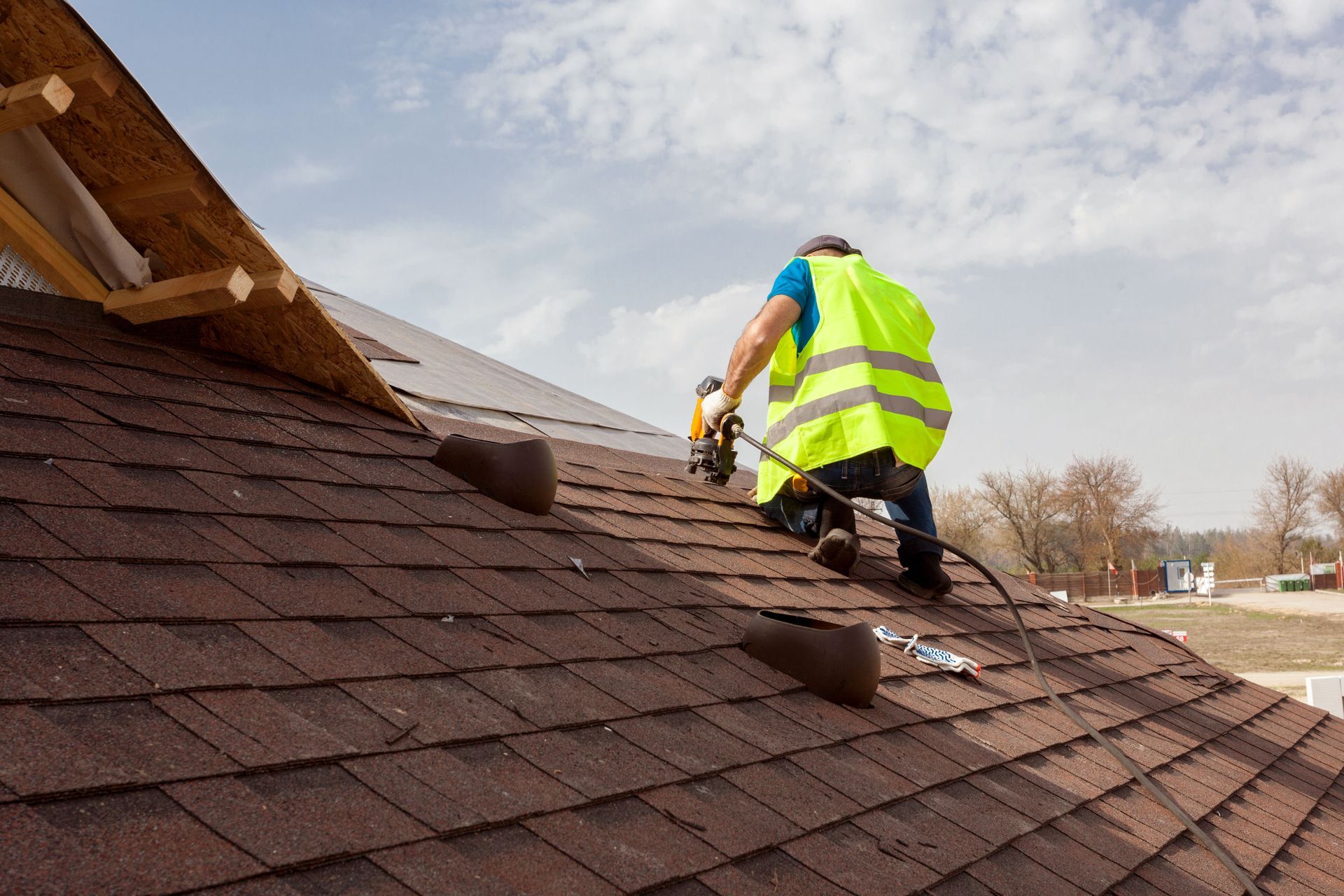
One of the most obvious indicators of poor workmanship is uneven shingle placement. Shingles should lie flat and align consistently across the roof. If you notice waviness, gaps, or misalignment, the roofer may have rushed the installation.
Missing flashing or poorly sealed flashing is another red flag. Flashing protects vulnerable areas such as chimneys, valleys, and vents. Improper installation can lead to leaks even if the rest of the roof appears sound.
Excessive leftover materials or debris around the property can also signal a lack of professionalism. A quality roofer takes pride not only in the finished roof but also in maintaining a clean, safe job site.
Interior warning signs matter too. After installation, homeowners should watch for water stains, attic moisture, or unexplained drafts. These issues may indicate ventilation or sealing problems that need prompt attention.
If you suspect poor workmanship, contact the roofer immediately and document your concerns with photos. Reputable contractors will typically address legitimate issues under their workmanship warranty. Acting quickly helps prevent minor problems from becoming major repairs.
Hiring a
roofer does not have to be overwhelming when homeowners understand what to look for and what questions to ask. By carefully evaluating credentials, reviewing contracts, and verifying warranties and insurance, you can protect both your home and your investment. Taking a proactive, informed approach ensures your roofing project is completed safely, professionally, and with long-lasting results. If you need a roofer you can rely on, reach out to the team of professionals at Elite Roofing & Restoration today!